
 Back to List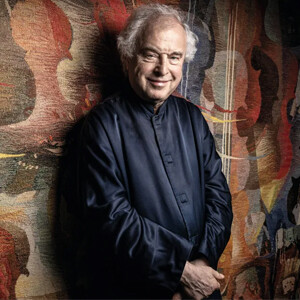
The Times
September 7, 2026
‘I have been a wandering soul’ — Andras Schiff’s historic return from exile
By Rachel Halliburton
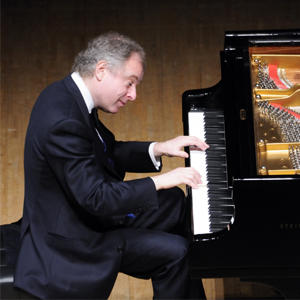
When Andras Schiff walked on stage at Budapest’s Franz Liszt Academy last week, it marked the end of 16 years of self-imposed political exile in protest at the fascist flirtations of Viktor Orban’s Fidesz government. Internationally the pianist, knighted for services to music in 2014, is recognised as a titan of the keyboard — a cult figure at London’s Wigmore Hall, his two recordings of Bach’s Goldberg Variations (the last for ECM Records in 2003) are ranked among the greatest yet. Last year he received Japan’s Praemium Imperiale — described by some as the Nobel prize of the arts — for his outstanding contribution to classical music. Yet his passionately held political beliefs meant that until earlier this year he would not perform in his own country.
Schiff, with his halo of curls and courteous demeanour, is an unlikely activist, a man more comfortable discussing esoteric theories about Bach than diving into the bear pit of modern politics. He knows, however, from family history and his own experience what it is to be persecuted, by Nazism and communism, and is ferociously principled in calling out political oppression where he observes it.
In Budapest, in the monumental art nouveau concert hall, the buzz from an audience of all generations was just one sign that his return was as much of a milestone in politics as it was in classical music. Before he’d played a note the euphoric crowd rose to a standing ovation. It felt fitting that even Peter Magyar, Hungary’s new reforming prime minister and self-assigned vanquisher of the forces of Orbanism, was in attendance. More than a concert, this was a symbol of long-awaited change.